
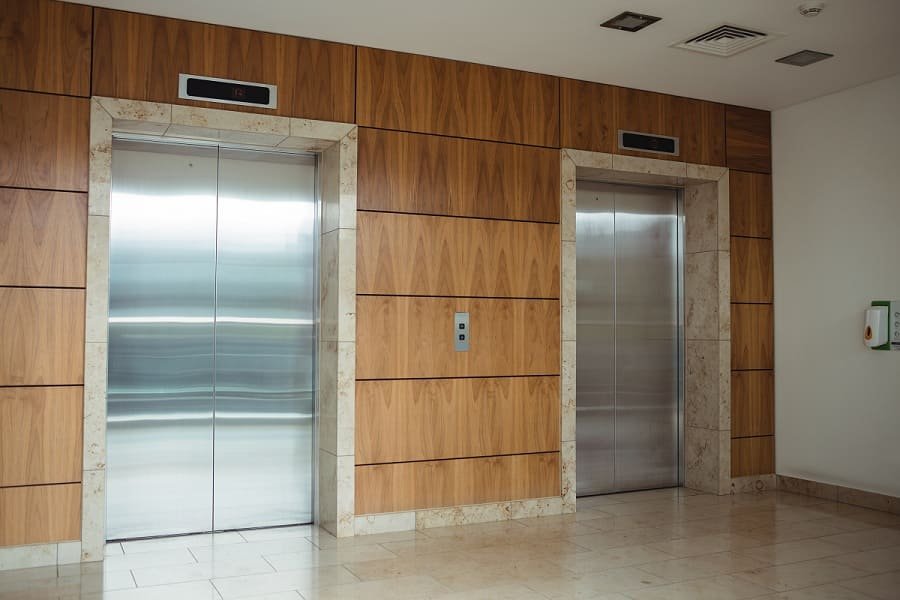
Choosing an elevator is an important decision for any residential or commercial building. A suitable lift improves accessibility, saves time, and makes everyday movement between floors more convenient.
A suitable lift improves
accessibility, saves time, and makes everyday movement between floors more
convenient. However, selecting the right elevator involves more than comparing
prices. Buyers should consider building design, passenger requirements, safety
features, energy efficiency, installation costs, and long-term maintenance
before making a decision.
Whether you are constructing a new
apartment, renovating an existing property, or developing an office building,
understanding the available elevator options can help you make a well-informed
investment.
1. Understand Your Building's Requirements
The first step is to identify how
the elevator will be used. A residential building with a few floors may require
a different solution from a shopping mall, hospital, hotel, or office complex.
Consider the following factors
before selecting a lift:
- Building height:
The number of floors affects the elevator's capacity, speed, and technical
requirements.
- Passenger traffic:
Buildings with frequent movement may need lifts designed to handle higher
traffic.
- Available space:
The lift shaft, machine room requirements, and entrance dimensions should
suit the building layout.
- Accessibility:
The elevator should accommodate elderly people, children, and individuals
with mobility difficulties.
- Future requirements:
Consider whether the building's occupancy or usage may increase over time.
Discussing these requirements with
an experienced elevator professional can help you identify a practical solution
for your property.
2. Explore Different Types of Elevators
Different buildings require
different elevator systems. Understanding the main options can make the
selection process easier.
Passenger
Elevators
Passenger elevators are commonly
installed in residential apartments, offices, hotels, and commercial buildings.
They are designed to transport people safely and comfortably between floors.
Capacity, travel speed, cabin dimensions, and expected traffic should guide
your selection.
Home
Elevators
Home elevators are suitable for
private houses, villas, and duplex properties. They improve accessibility and
make it easier for family members to move between floors. When choosing a home
lift, consider available space, ease of operation, safety features, and the
needs of older family members.
Hospital
Elevators
Hospitals and healthcare facilities
may require elevators designed to accommodate stretchers, wheelchairs,
patients, and medical staff. Cabin dimensions, door width, smooth operation,
and efficient movement are particularly important in these environments.
Goods
Elevators
Goods elevators are used in
warehouses, factories, hotels, and commercial establishments to transport
materials and equipment. Their load capacity, platform dimensions, durability,
and suitability for the intended goods should be assessed before installation.
3. Check Safety Features and Compliance
Safety should always be a priority
when purchasing an elevator. A reliable system should include appropriate
safety mechanisms and comply with applicable building regulations and elevator
requirements.
Important features to discuss with
your supplier include door interlocks, emergency alarms, overload protection,
emergency lighting, and suitable rescue arrangements in the event of a power
failure. Automatic rescue devices may help move passengers to a designated
floor under specified conditions.
Ask whether the proposed elevator
meets the applicable standards and local approval requirements in West Bengal.
Confirm that installation, inspection, commissioning, and licensing
requirements are addressed where applicable.
Never select an elevator based on
price alone. Proper installation, professional servicing, and regular safety
inspections are essential for reliable operation.
4. Compare Installation Costs and Energy Efficiency
Elevator prices vary according to
the type of system, load capacity, number of floors, cabin design, technology,
and installation complexity. Additional building work, electrical arrangements,
and finishing requirements may also affect the total project budget.
Request a detailed quotation that
clearly explains the equipment supplied, installation charges, exclusions,
warranty, and maintenance terms.
Energy efficiency is another
important consideration. Modern drive systems, efficient motors, LED lighting,
and automatic standby features can help reduce electricity consumption. The
actual savings depend on the equipment, usage patterns, and building conditions.
Compare the long-term operating
costs instead of focusing only on the initial purchase price.
5. Evaluate Maintenance and After-Sales Support
Regular maintenance helps keep
elevators operating safely and efficiently. Before finalising a supplier, ask
about service availability, technician response times, spare-parts support, and
the recommended maintenance schedule.
A maintenance agreement should
clearly explain which services are included and how emergency breakdowns will
be handled. It is also useful to understand the warranty coverage for equipment
and installation work.
Choosing a provider with dependable
after-sales support can help reduce unexpected disruptions and make long-term
ownership easier.
6. Consider Cabin Design and User Comfort
An elevator should complement the
building's appearance while meeting practical requirements. Buyers can explore
different cabin finishes, flooring materials, lighting arrangements, handrails,
and control panels.
For residential properties, a
compact and attractive design may be suitable. Hotels and premium commercial
buildings may prefer customised cabins that match their interiors.
However, appearance should never
compromise accessibility, ventilation, durability, or safety. Select materials
that are easy to clean and appropriate for the building's daily usage.
7. How to Identify a Reliable Elevator Supplier
If you are searching for the best elevator company in Kolkata, compare providers carefully before making your final decision.
Look for relevant installation experience, transparent quotations, suitable
product options, qualified technicians, and dependable maintenance services.
Ask potential suppliers for details
about previous projects, warranty conditions, safety compliance, and service
coverage. Review the proposed specifications and ensure that the elevator is
appropriate for your building's structure and intended use.
It is also wise to compare at least
two or three quotations with similar specifications. This helps you evaluate
quality, service commitments, and overall value more accurately.
Conclusion
Selecting the right elevator
requires careful planning, a clear understanding of building requirements, and
attention to safety, energy efficiency, and maintenance. By comparing elevator
types, technical specifications, installation costs, and after-sales support,
property owners can make a more confident decision.
Before proceeding with installation,
consult a qualified elevator professional to assess your property and recommend
a suitable system. A well-planned elevator installation can improve
accessibility, convenience, and the overall functionality of your building for
years to come.
Need advice for your property? Share your lift requirement through our enquiry form.