
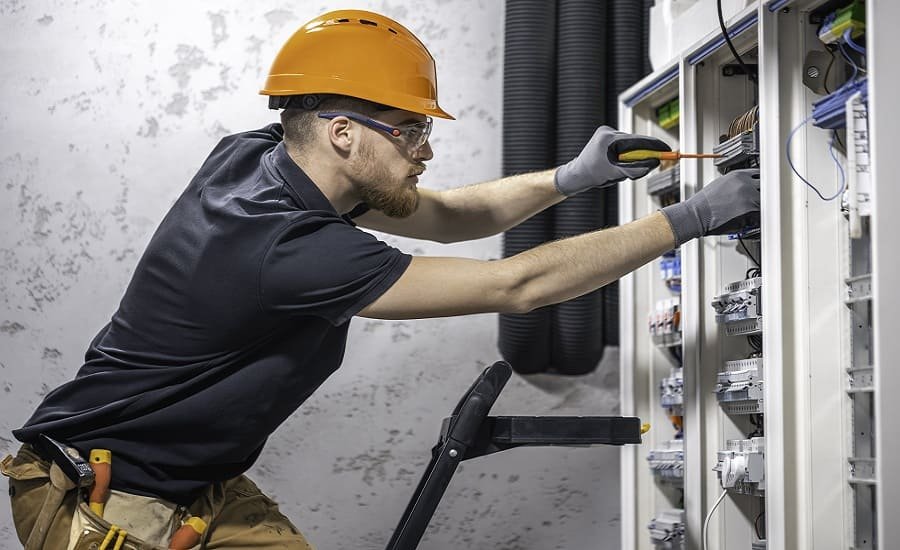
Elevators have become an essential part of modern residential, commercial and industrial buildings.
Elevators have become an essential part of modern residential, commercial and industrial buildings. They make vertical transportation easier, improve accessibility and help people move between floors comfortably. However, installing an elevator is not simply about choosing a suitable model. It requires proper planning, professional installation, regular maintenance and strict safety measures to ensure reliable performance over the years.
Whether you are planning to install a lift in a residential apartment, office building, shopping complex or hospital, understanding the complete process can help you make informed decisions.
1. Understanding the Different Types of Elevators
Before installing a lift, it is important to understand the available options. Different buildings have different transportation requirements, depending on their height, available space, passenger capacity and usage.
Some common types of elevators include:
Passenger Elevators: Designed for residential apartments, hotels, offices and commercial buildings to transport people between floors.
Goods Elevators: Used in warehouses, factories and commercial establishments to move heavy materials and equipment.
Hospital Elevators: Specially designed to accommodate stretchers, medical equipment and patients.
Home Elevators: Compact lifts suitable for private residences, villas and multi-storey houses.
Hydraulic Elevators: Operate using hydraulic systems and are commonly considered for certain low-rise applications.
Traction Elevators: Use ropes and counterweights to provide smooth and efficient vertical transportation, particularly in multi-storey buildings.
Selecting the right elevator depends on the building's structure, traffic requirements, budget and long-term usage.
2. Important Steps Involved in Lift Installation
Proper planning is the foundation of a successful elevator installation. A professional assessment helps identify the most suitable system for the property.
The installation process generally includes the following steps:
Site Inspection and Planning: Technicians examine the building layout, available shaft space, floor height, electrical requirements and structural conditions.
Choosing the Right Elevator: The appropriate lift is selected based on passenger capacity, building height, speed, usage and accessibility requirements.
Design and Technical Approval: The elevator layout, technical specifications and installation requirements are reviewed to ensure compliance with applicable building and safety regulations.
Installation Process: Qualified technicians install the elevator components, including the cabin, guide rails, doors, control panel, motor and associated electrical systems.
Testing and Commissioning: Before operation, the elevator undergoes necessary inspections and functional safety tests to verify its performance.
Working with the best elevator company in Kolkata can help property owners receive professional guidance throughout the planning and installation process.
3. Why Regular Elevator Maintenance Is Important
Elevators operate through several mechanical and electrical components that experience regular wear and tear. Without proper maintenance, minor technical issues can develop into major operational problems.
Regular maintenance offers several benefits:
Improves Safety: Helps identify worn-out components and potential technical faults.
Reduces Unexpected Breakdowns: Preventive inspections can detect problems before they cause equipment failure.
Increases Equipment Lifespan: Proper servicing helps maintain the performance of important elevator components.
Improves Efficiency: Well-maintained elevators generally provide smoother and more reliable operation.
Controls Repair Costs: Early identification of faults can reduce the need for expensive emergency repairs.
Maintenance schedules should follow the manufacturer's recommendations and applicable regulations. Professional technicians should inspect door mechanisms, brakes, cables, electrical systems, control panels and emergency communication equipment.
4. Essential Elevator Safety Measures
Passenger safety should always be a priority when installing and operating an elevator. Building owners, facility managers and maintenance teams must follow appropriate safety practices.
Important elevator safety measures include:
When comparing options for the best lift company in Kolkata, consider technical expertise, product quality, maintenance support and customer service rather than focusing only on the initial installation cost.
Frequently Asked Questions (FAQs)
Q1. How long does elevator installation take?
Installation time depends on the elevator type, building structure, number of floors and site readiness. The provider can give a more accurate timeline after inspecting the property.
Q2. How frequently should an elevator be serviced?
Elevators should follow a planned preventive maintenance schedule based on manufacturer recommendations, usage and applicable regulations. Regular professional inspections are essential.
Q3. What factors affect the cost of installing a lift?
The cost depends on the elevator type, passenger capacity, number of floors, installation requirements, technology, finishing and additional safety features.
Q4. Can an elevator be installed in an existing building?
Yes, elevators can often be installed in existing buildings after evaluating structural conditions, available space, accessibility and technical feasibility.
Q5. What should I do if an elevator stops working?
Remain calm, press the emergency alarm or use the communication system and wait for authorised rescue personnel. Never try to exit through the elevator shaft.
Conclusion
A reliable elevator system requires careful selection, professional installation, regular maintenance and responsible usage. Understanding these factors helps building owners improve passenger convenience, minimise breakdowns and maintain a safer environment. By choosing an experienced service provider and following recommended maintenance practices, you can ensure dependable elevator performance for years to come.
Need advice for your property? Share your lift requirement through our enquiry form.